Slow Playthrough Quarterly emblem Slow Playthrough Quarterly Games played to the end
Issue 14 Six essays 1,940 recorded hours Nothing reviewed before launch
From the editors

We publish late, and we publish having finished

A game is not a product to be assessed in the first weekend. It is a place you spend time in, and the interesting things about spending time somewhere become visible only after the novelty has worn off. Every essay here was written by somebody who played to the end and then waited a while before writing.

Lead essay · Issue 14

Two Hundred Hours in One Room: What a Very Long Role-Playing Game Does to Attention

Somewhere around hour ninety, the quests stop being tasks and start being routines. This is usually described as a failure of design. After two hundred hours and a great many notes, I want to argue it is the point, and that we have no critical language for it.
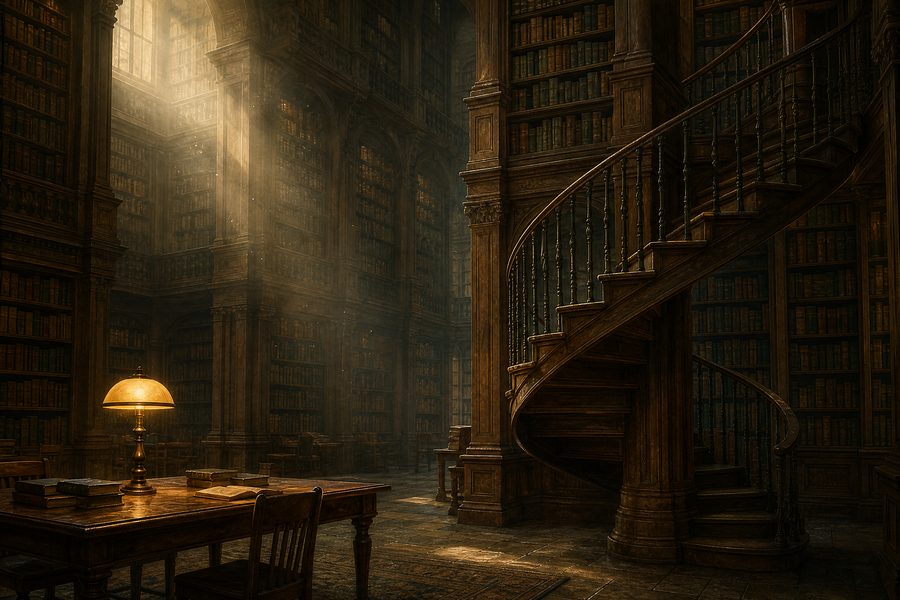
A vast library interior with a spiral staircase, tall shelves fading into shadow and a single lit reading lamp
EssayRead 22 min204 hours loggedFinished twice
Also in this issue

Full archive →
02

The Difficulty Argument Is Really an Argument About Time

Nobody who says a game is too hard means the inputs are too demanding. They mean the game is asking for more of their week than they had budgeted. Once the complaint is restated that way, most of the noise around difficulty settings resolves into a question about respect.

Read 17 min61 hours logged
A stone mountain path in morning mist with worn steps, a wooden handrail and a small cairn
03

Endings We Did Not Want: On Finishing Games That Should Not Finish

The most common failure in a long game is not a bad ending but an ending at all. Four hundred hours of accumulated habit is interrupted by twenty minutes of resolution, and the resolution is asked to carry a weight nothing that short could bear.

Read 19 minFour games finished
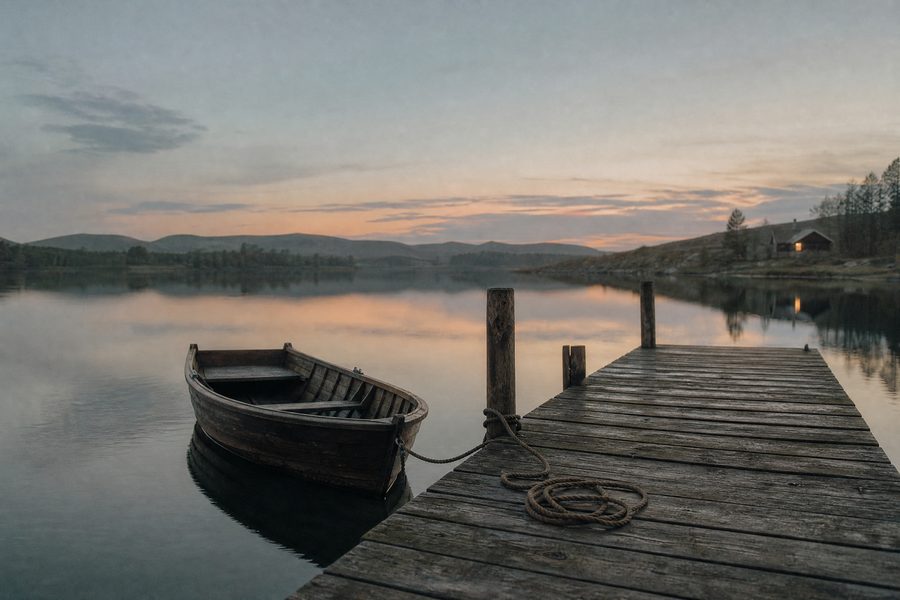
An empty wooden rowing boat moored at a weathered jetty on a still lake at dusk
04

The Notebook Method: Writing Things Down While You Play

Every writer here keeps a paper log. Not for accuracy, though it helps, but because the act of writing a sentence about what just happened is the smallest available unit of critical attention, and it changes what you notice next.

Read 12 minPractice note
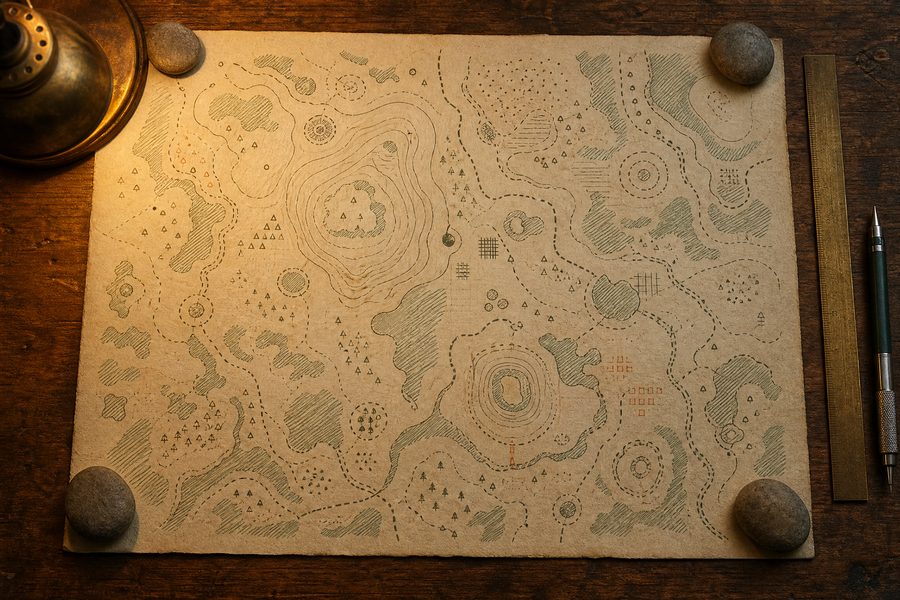
A large hand-drawn map weighted with stones on a table beside a ruler and pencil under lamplight

Shorter notes

More notes →
Note

Returning to a save file after four years

I loaded a character I no longer remembered building and found a plan I could not reconstruct. The game had preserved my intentions perfectly and my reasons not at all.

Read 8 min
Note

In defence of games with nothing to do

Three weeks of walking through an open landscape with no objective marker, and the surprising discovery that boredom is a texture rather than an absence.

Read 9 min
Note

Why we do not score anything

A number is a summary, and the whole purpose of an eight-thousand-word essay is to resist being summarised. What we publish instead is the hour count.

Read 6 min
Note

On writing six months after release

By the time we publish, the discourse has finished and the patches have landed. This is the least commercially sensible decision we make and the one we defend most easily.

Read 7 min